



How Bacterial Metabolism of Environmental Carcinogens Drives Bladder Tumorigenesis
Institute of Cell Biology, Faculty of Medicine, University of Ljubljana, invites you to a lecture by Prof. Janoš Terzić, PhD, School of Medicine, University of Split, Croatia, entitled:
Gut Microbiota as Accomplices in Cancer: How Bacterial Metabolism of Environmental Carcinogens Drives Bladder Tumorigenesis
Prof. Janoš Terzić, PhD is a top expert in the field of cellular and molecular biology and immunology with publications in the most prestigious scientific journals.
Exposure to environmental pollutants and the composition of the human microbiome are both key factors that can influence susceptibility to tumour formation. Like therapeutic compounds, pollutants undergo metabolic processing in the body, a step that can modify their carcinogenic properties and alter how they are distributed across tissues by changing their toxicokinetics. Although recent work has shown that human-associated microbes can chemically transform many xenobiotics and thereby reshape the spectrum and tissue exposure of downstream metabolites, the role of microbial biotransformation in pollutant-driven tumorigenesis has remained uncertain.
We recently demonstrated that removing the gut microbiota alters nitrosamine toxicokinetics and substantially diminishes both the incidence and severity of nitrosamine-induced bladder cancer in mice. Using individualized bacterial culture libraries and gnotobiotic mouse models, we directly connected the metabolism of this carcinogen to specific gut bacterial strains in vitro and in vivo. By examining gut microbial communities from multiple human donors, we further show that microbial metabolism of carcinogens differs among individuals and extends to structurally similar nitrosamine compounds. Together, our findings suggest that microbial metabolism of carcinogens in the gut may contribute to chemically induced cancer risk and highlight the potential of targeting the microbiome for improved risk assessment and cancer prevention.
Prof. Janoš Terzić leads the Laboratory for Cancer Research at the University of Split School of Medicine in Croatia. His research sits at the intersection of cancer biology, the microbiome, and genome integrity, three fields whose convergence is reshaping how we understand tumour development. In a landmark 2024 study published in Nature, his team demonstrated that gut bacteria can metabolize environmental nitrosamine carcinogens into more toxic derivatives, which then travel to the bladder and promote cancer. Using gnotobiotic mouse models and personalized bacterial culture collections from human donors, his group showed that this microbial carcinogen metabolism varies strikingly between individuals, pointing toward the microbiome as a previously overlooked factor in cancer risk. Beyond the gut–bladder axis, Prof. Terzić's laboratory has contributed a first-of-its-kind spatial transcriptomic map of the mouse urinary bladder at near single-cell resolution (Scientific Reports, 2026) and identified urinary microbiota signatures that may predict patient response to BCG immunotherapy in non-muscle-invasive bladder cancer (Frontiers in Cellular and Infection Microbiology, 2025). Most recently, as part of an international collaboration published in Science (2026), his group helped reveal that unrepaired DNA–protein cross-links activate the cGAS–STING innate immune pathway, driving premature aging and embryonic lethality, work with broad implications for understanding how DNA damage fuels chronic inflammation. His research bridges fundamental cell and molecular biology with translational opportunities in cancer prevention and immunotherapy.
The lecture will be held on Monday, May 4, 2026 at 1:00 PM ive in the lecture hall of the Institute of Cell Biology, Vrazov trg 2, Ljubljana and via Zoom:
https://eu01web.zoom.us/j/62449697706?pwd=pBFFCtaCEeVSMoDbJZ9puTZq2BcEXk.1
Passcode: 650274
You are cordially invited!
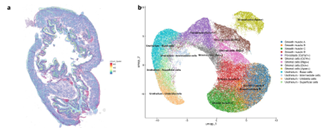
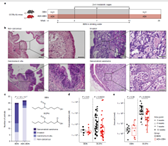
Matković N et al, Terzić J.. Sci Rep. 2026 Mar 16;16(1):13155. Roje B, et al, Terzić J, Zimmermann M. Nature. 2024 Aug;632(8027):1137-1144.