


UL MF hosted the 17th World Conference on Bioethics, Medical Ethics and Health Law
Slovenia hosted the 17th World Conference on Bioethics, Medical Ethics, and Health Law, which brought together leading global experts and discussions on the ethical challenges of the future and key considerations regarding human dignity.

The 17th World Conference on Bioethics, Medical Ethics and Health Law, which took place between November 24 and 26, 2025, in Ljubljana, brought together the most prominent experts in the fields of bioethics, medical ethics and law in healthcare from around the world. The world conference, hosted and co-organized by the Faculty of Medicine of the University of Ljubljana, the Slovenian Medical Association, the Slovenian Medical Society, and the Faculty of Law of the University of Ljubljana, was organized by the International Chair in Bioethics.
Almost 500 experts, scientists, and panelists from 46 countries gathered in Ljubljana, representing the largest international participation in the field of bioethics, medical ethics, and health law that Slovenia has ever hosted. Among them were experts and panelists from Slovenia, who focused their professional fields on answering the most important ethical, medical, and legal questions of our time.
This event brought together, for the first time in Slovenia's history, leading representatives of medicine, law, bioethics, science, and health organizations from all continents and opened key debates on how contemporary society understands human rights, dignity, responsibility, and safety in healthcare. The conference addressed fundamental questions about the future of medicine and society, including the impact of artificial intelligence, the responsible use of biomedical technologies, global health inequalities, the legal regulation of biotechnology, the ethics of transplant medicine, and the protection of the most vulnerable groups.
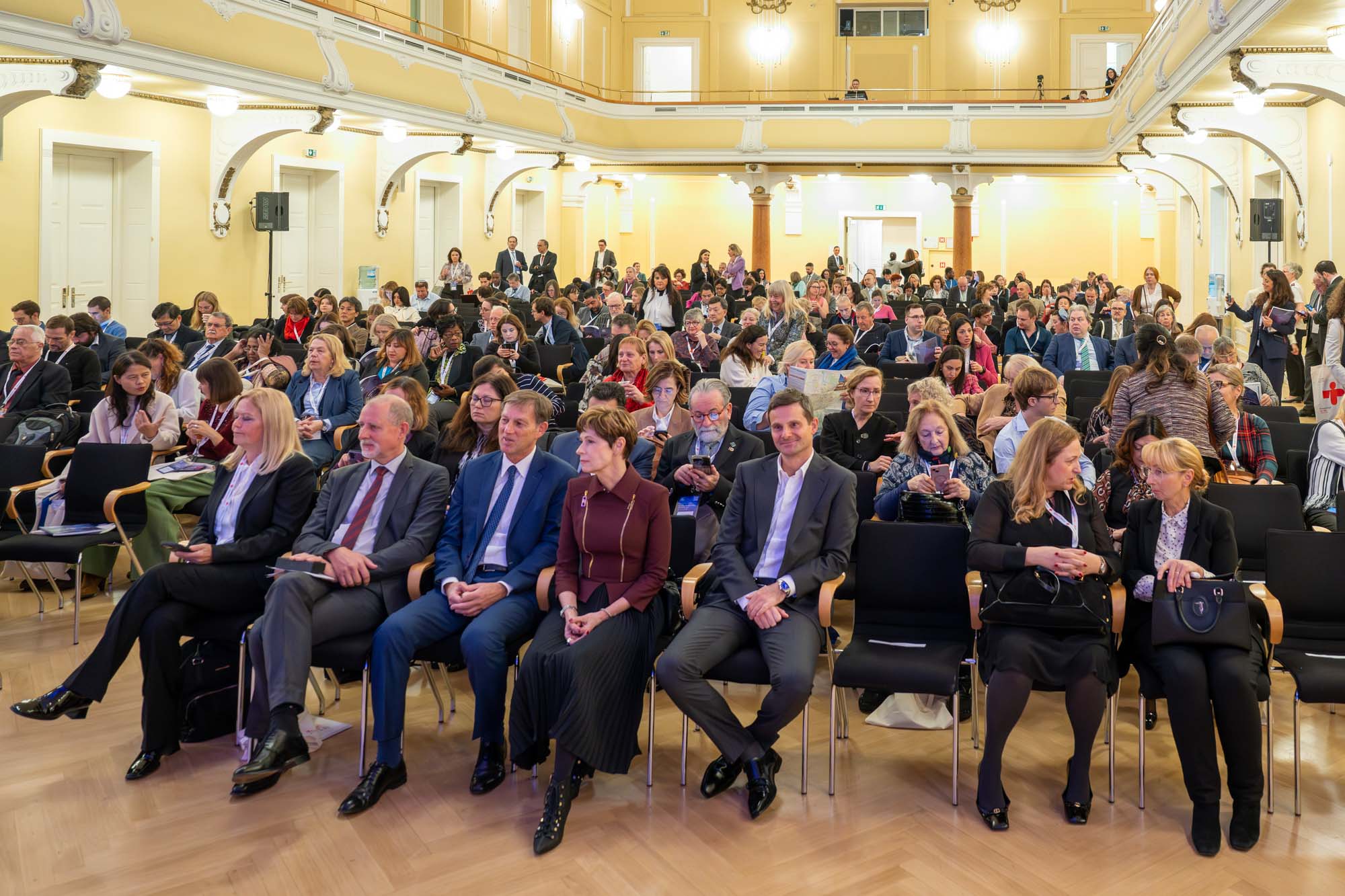
During the opening event of the 17th World Conference on Bioethics, Medical Ethics, and Health Law, representatives of the organizers highlighted the key objectives of the conference in their introductory remarks, as well as the key challenges that we as a modern society are already facing and must address for the sake of future generations.
The President of the International Association of Bioethics, Prof. Rui Nunes, emphasized that bioethics transcends political divisions and is, at its core, a matter of human rights. According to him, the international community has entered a period in which a new global approach is needed, which he summarized in the vision of the "United Nations of Bioethics," which connects experts around the world in a common ethical responsibility.
The co-chair of the conference, Prof. Dr. Jadranka Buturovič Ponikvar, highlighted the long-standing development and solid foundations of medical ethics in Slovenia and the fact that the interdisciplinary design of the conference – from medicine and law to research institutions – is key to understanding the challenges posed by modern medicine and rapidly developing biomedicine. In her opinion, the presence of representatives from all continents represents a unique opportunity for learning, exchanging knowledge, and connecting different perspectives.
Prof. Dr. Ksenija Geršak, Dean of the Faculty of Medicine at the University of Ljubljana, emphasizes that ethics is the foundation of modern medical education. Critical thinking, professional integrity, and responsibility are, in her words, key elements that connect medicine, science, and humanity and are essential for the safe and fair treatment of patients.
The conference also paid special attention to the challenges of artificial intelligence. Prof. Dr. Miro Cerar, Dean of the Faculty of Law at the University of Ljubljana, warns that the development of artificial intelligence often outpaces legal frameworks and ethical guidelines. "Human dignity must remain at the heart of medical decisions—development without ethical foundations can endanger individuals and society," Cerar emphasizes.
Prof. Dr. Gregor Majdič, Rector of the University of Ljubljana, highlights the moral responsibility of medicine in a rapidly changing world. "Medicine is not just a science – it is a commitment to do good. Behind every ethical question there is a human story. That is why innovation must serve people," he stressed.
The global dimension of the discussions was complemented by Dr. Otmar Kloiber, Secretary General of the World Medical Association, who warned that challenges such as artificial intelligence, social change, and changes in the functioning of democratic institutions require open international dialogue, the exchange of experiences, and the joint development of standards that prioritize human dignity and well-being.
Prof. Dr. Bojana Beović, President of the Slovenian Medical Association, emphasizes: "We very much welcome the fact that medical students now have ethics as a separate subject, as this represents significant progress. However, it is crucial that ethics is taught primarily by example. Moral and ethical principles must therefore be embodied in the practice of every doctor who is a teacher and mentor to younger generations. The Medical Chamber therefore organizes numerous training courses and consultations on topics related to medical ethics, with the aim of making doctors as aware as possible of moral and ethical issues and putting them into practice.”
Prof. Dr. Radko Komadina, president of the Slovenian Medical Association, points out the challenges arising from the uncontrolled introduction of AI-supported methods into doctors' everyday practice, with which countries wish to compensate for the growing relative shortage of doctors in the global world and the consequent danger of losing the confidential contact between patient and doctor, a step away from holistic medicine.
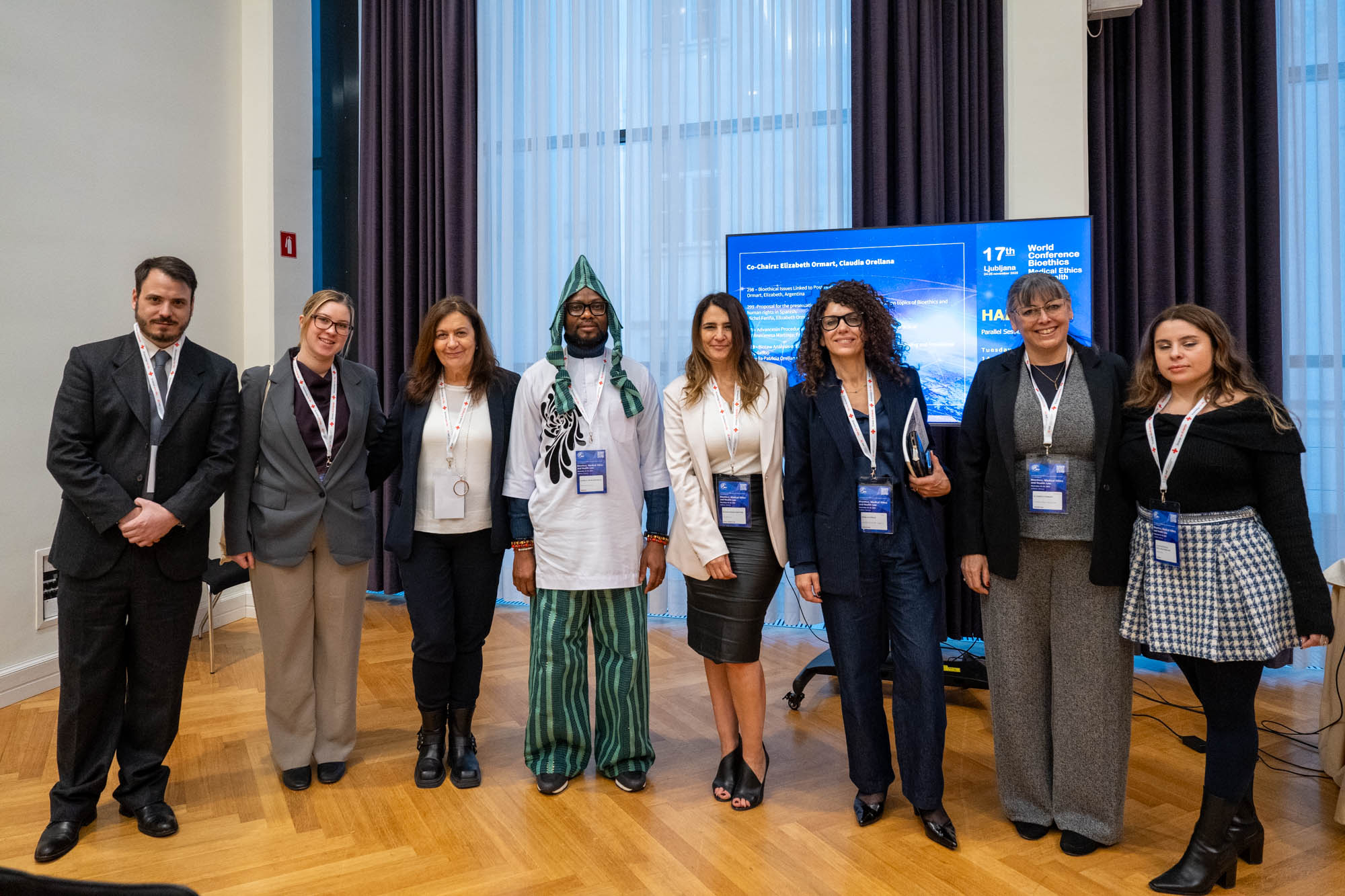
Over three days, panelists and participants addressed a wide range of current and future challenges in bioethics, medical ethics, biomedicine, and health law, confirming that the future of medicine is inextricably linked to thorough ethical considerations, global cooperation, and responsible use of science and technology.
The 17th World Conference on Bioethics, Medical Ethics, and Health Law has placed Slovenia among the key players in the field of global medical ethics and strengthened its strategic position in international debates on the future of healthcare, human rights, and the ethical management of technological progress.
Photo: Metod Perme/UL MF